

For many families, retirement planning focuses on building wealth, creating reliable income, and leaving a lasting legacy. Yet the potential need for long-term care is one of the most significant financial risks in retirement that is often overlooked.
Advances in healthcare have helped people live longer than ever before. While that’s certainly something to celebrate, it also means more individuals may require assistance with everyday activities later in life. Planning for that possibility before it’s needed can help protect both your financial future and your family’s peace of mind.
Long-Term Care Is About More Than Healthcare
Many people assume Medicare will cover the cost of long-term care. In reality, Medicare generally covers only limited skilled nursing or rehabilitation services following a qualifying hospital stay and not extended custodial care or ongoing assistance with daily living activities.
Whether care is received at home, in an assisted living community, or in a nursing facility, the costs can add up quickly and may place significant pressure on retirement assets if no plan is in place.
Protecting the Wealth You’ve Built
Long-term care planning isn’t simply about purchasing insurance. It’s about deciding how you want care to be provided and how those costs would fit into your overall financial plan.
Without a strategy, families may be forced to:
- Withdraw larger amounts from retirement accounts.
- Sell investments or other assets sooner than planned.
- Reduce the legacy they hoped to leave to children or grandchildren.
- Shift financial or caregiving responsibilities to loved ones.
Planning ahead provides more options and greater flexibility should the need arise.
Every Situation Is Different
There is no one-size-fits-all solution for long-term care planning. Depending on your financial circumstances and personal goals, strategies may include:
- Self-funding future care expenses.
- Long-term care insurance.
- Hybrid life insurance policies with long-term care benefits.
- Asset allocation strategies designed to preserve liquidity.
- Coordinating care planning with your broader retirement and estate plans.
The appropriate approach depends on your resources, health, family circumstances, and long-term objectives.

Planning Provides Choices
The best time to discuss long-term care is long before it’s needed.
Planning early may provide access to more options, greater flexibility, and potentially lower insurance costs for those considering coverage. More importantly, it allows you to make decisions on your own terms rather than during a health crisis.
A thoughtful long-term care strategy isn’t just about preparing for future healthcare needs but about protecting your retirement income, preserving your wealth, and helping ensure your loved ones can focus on caring for you instead of worrying about financial decisions.
Start the Conversation Today
Long-term care isn’t always an easy topic to discuss, but avoiding the conversation doesn’t eliminate the risk. Taking the time to evaluate your options today can help provide greater confidence in the years ahead.
Planning is an important part of protecting your overall financial plan, including long-term care. If your plans or priorities have changed, give us a call so we can revisit your strategy together and ensure it continues to reflect your goals.
Golf Tip of the Week
Aim for a Safe Swing

Lower scores often come from avoiding big mistakes rather than chasing perfect shots. Instead of always aiming directly at the flag, consider where your safest miss would be.
If a bunker guards the right side of the green, favor the left. If water sits short, take enough club and aim for the middle. Playing toward the center of the green dramatically increases your margin for error and reduces penalty strokes.
This strategy doesn’t mean playing timid — it means playing smart. By managing risk and giving yourself more forgiving targets, you’ll create more birdie opportunities and eliminate costly double bogeys.
Golf rewards discipline. Aim for the safest side, swing confidently, and let the scorecard reflect smarter decisions.
Golf Tip adapted from Golf Digest. Read the full article here: The idiot’s guide to course management
Recipe Tip of the Week
Lemon Blueberry Pound Cake

Ingredients
- 1 cup unsalted butter, softened
- 1 ½ cups granulated sugar
- 3 large eggs
- 2 cups all-purpose flour
- 1 tsp baking powder
- ½ tsp salt
- ½ cup sour cream
- Zest of 1 lemon
- 2 tbsp fresh lemon juice
- 1 cup fresh blueberries
Glaze (optional)
- 1 cup powdered sugar
- 1–2 tbsp lemon juice
Instructions
Preheat oven to 350°F. Grease a loaf pan.
Cream butter and sugar until light and fluffy. Add eggs one at a time.
In a separate bowl, whisk flour, baking powder, and salt. Gradually add to the wet mixture, alternating with sour cream.
Stir in lemon zest and juice. Gently fold in blueberries (toss in a little flour first to prevent sinking).
Pour into loaf pan and bake 50–60 minutes until a toothpick comes out clean.
Cool completely before drizzling with lemon glaze.
Tip of the Week
Tossing blueberries in a small amount of flour helps keep them evenly distributed instead of sinking to the bottom.
Bright, moist, and perfect for brunch or a light summer dessert!
Recipe adapted from Taste of Home. See full recipe here: Lemon Blueberry Pound Cake
Travel Tip of the Week
Glacier National Park, Montana: Peak Season for a Reason
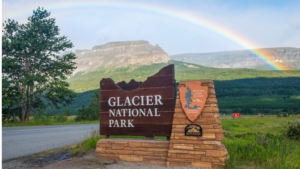
July is one of the very best times to visit Glacier National Park. Snow has melted from higher elevations, wildflowers are in bloom, and the iconic Going-to-the-Sun Road is typically fully open.
Temperatures usually stay in the 60s and 70s — a refreshing change from much of the country’s summer heat. Scenic drives offer breathtaking alpine views without requiring strenuous hikes, and there are plenty of accessible overlooks, boat tours, and ranger programs to enjoy.
Why It Shines in July
- Full access to scenic mountain roads
- Long daylight hours
- Crisp, cool air
- Iconic glacier-fed turquoise lakes
Yes, it’s peak season, but in Glacier, July is when everything is open, vibrant, and unforgettable.
Travel tip adapted from Travel + Leisure. Read the full article here: The Best Time to Visit Glacier National Park
Copyright © 2026. BCA Private Wealth. All rights reserved.
Our mailing address is:
BCA Private Wealth
15 Halton Green Way
Greenville, SC 29607
Disclosure:
BCA is a Securities and Exchange Commission registered investment advisor. The advisory services of BCA Private Wealth are not made available in any jurisdiction in which BCA Private Wealth is not registered or is otherwise exempt from registration.
Please review BCA Private Wealth Disclosure Brochure for a complete explanation of fees. Investing involves risks. Investments are not guaranteed and may lose value.
This material is prepared by BCA Private Wealth for informational purposes only. It is not intended to serve as a substitute for personalized investment advice or as a recommendation or solicitation or any particular security, strategy, or investment product.
No representation is being made that any account will or is likely to achieve future profits or losses similar to those shown. You should not assume that investment decisions we make in the future will be profitable or equal the investment performance of the past. Past performance does not indicate future results.
Sources
Medicare — Long-Term Care Coverage
Administration for Community Living — Costs and Who Pays
IRS Publication 502 — Medical and Dental Expenses