
Tax season can be a stressful time for many people, but proper preparation can make a big difference. Planning ahead allows you to stay organized, avoid common filing mistakes, and feel more confident when submitting your return. Whether you file on your own or with professional help, these five tips can help you prepare effectively.
1. Organize Your Financial Documents Early
One of the best ways to reduce tax-season stress is to gather your documents well in advance. This includes W-2s, 1099s, bank statements, and receipts for expenses that may qualify for deductions. Keeping your records organized in a folder or digital system makes the filing process faster and helps ensure nothing important is overlooked.
2. Track All Sources of Income and Expenses
Be sure to account for every source of income, including part-time work, freelance projects, or side businesses. Keeping clear records of expenses throughout the year can also help you identify potential deductions. Accurate tracking reduces the risk of errors and makes it easier to support your claims if questions arise later.
3. Understand Available Deductions and Credits
Tax deductions and credits can have a major impact on your final tax bill. Deductions reduce taxable income, while credits directly lower the amount of tax you owe. Education costs, charitable donations, medical expenses, and childcare expenses are just a few examples. Taking time to review what applies to you can lead to meaningful savings.
4. Review Life Changes from the Past Year
Life events such as starting a new job, moving to a different location, becoming financially independent, or changing your education status can affect how you file your taxes. These changes may impact your filing status, eligibility for credits, or the amount you owe. Reviewing them carefully helps ensure your return reflects your current situation.
5. Know Your Deadlines
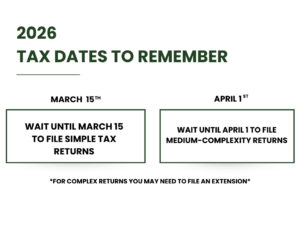
Missing tax deadlines can lead to penalties, interest, and unnecessary stress. Mark key dates on your calendar, including the deadline to file your return and any estimated tax payment due dates if you’re self-employed or have additional income. If you anticipate needing more time, remember that you can file for an extension.
However, an extension to file is not an extension to pay. Any taxes owed are still due by the original deadline. Knowing this ahead of time helps you plan your finances accordingly. By staying organized, informed, and proactive, you can approach tax season with confidence. A little preparation now can save time, reduce stress, and help you make the most of your tax return.
Golf Tip of the Week
Smart Swing Adjustments for Better Accuracy and Comfort

As golfers age, maintaining consistent ball contact and accuracy often becomes more important than sheer power. According to a senior golf guide from SeniorGolfSource.com, making a few simple adjustments to your swing and equipment can help you stay steady, comfortable, and confident on the course. Because flexibility and strength change over time, these practical strategies focus on what works best for older players rather than forcing old mechanics that may not serve your body anymore.
Top Strategies for Senior Golfers
- Keep Your Tempo Smooth and Controlled
Rather than swinging harder to try to hit the ball farther, slow your tempo slightly and focus on rhythm. This helps reduce strain on joints and improves timing — so you make cleaner contact more consistently. A deliberate swing often leads to better accuracy and fewer mishits. - Warm Up and Stretch Before You Play
Preparing your body before a round can make a big difference. Stretching key areas like your shoulders, hips, and torso helps increase your range of motion and reduce stiffness. Just 10–15 minutes of dynamic stretching before tee-off gets your muscles ready and helps protect you from common golf strains. - Pick the Right Putter and Ball
As your stance and posture adapt with age, so might your equipment needs. Senior golfers often benefit from a putter that fits their setup — not one that’s too long or too short. Likewise, choosing a golf ball with lower compression (rated around 70–80) can help maximize distance and control with slower swing speeds.
Why These Tips Help Seniors
These adjustments aren’t about dramatic overhaul — they’re about playing smarter and kinder to your body. A smoother tempo, proper warm-up, and gear that suits your current swing all contribute to greater confidence, fewer injuries, and more enjoyable golf — even if you’re not hitting the ball as far as you used to.
Article adapted from Senior Golf Source. Read full article here: 10 Simple Tips For Senior Golfers.
Recipe Tip of the Week
Classic Fettuccine Alfredo

Ingredients
- 1 lb (about 450 g) fettuccine pasta
- ½ cup (1 stick) unsalted butter
- 1 ½ cups heavy cream
- ¾ cup freshly grated Parmesan cheese
- Salt and freshly ground black pepper, to taste
- Optional: a pinch of freshly grated nutmeg and chopped parsley for garnish
Instructions
- Cook the pasta: Bring a large pot of salted water to a boil. Cook the fettuccine according to package directions until al dente. Drain and set aside.
- Make the sauce: In a large skillet over medium heat, melt the butter and warm the heavy cream together, stirring until the mixture is smooth and just beginning to bubble.
- Add cheese: Reduce the heat to low. Stir in the freshly grated Parmesan cheese until it melts completely and the sauce thickens slightly. Season with salt and pepper to taste. If desired, add a pinch of nutmeg for extra depth of flavor.
- Toss with pasta: Add the cooked fettuccine to the sauce. Toss gently until the noodles are evenly coated with the creamy Alfredo sauce.
- Serve: Transfer to plates, garnish with extra Parmesan and chopped parsley if you like and enjoy while hot.
Tips for Best Results
- Use freshly grated Parmesan rather than pre-grated — it melts better and gives a richer flavor.
- Save some pasta water — you can mix a little into the sauce if it gets too thick.
- Add grilled chicken or shrimp for a heartier meal.
Recipe adapted from Food Network. Read full recipe here: Classic Fettuccine Alfredo.
Travel Tip of the Week
“Just in Case” Personal Safety Essentials for Every Trip

Traveling can be one of the most exciting parts of life — but it can also come with unexpected challenges. The author of this Travel + Leisure piece learned this firsthand after being pickpocketed and having her phone stolen while living abroad. Experiences like these led her to rethink how she packs, focusing not just on outfits and gadgets but on “just in case” safety tools that offer peace of mind without weighing you down.
The article highlights a curated list of travel items that serve multiple safety purposes — from protecting valuables and identity to securing your accommodation and staying connected. Smart accessories like Apple AirTags help you keep track of bags and belongings even if they’re misplaced. A crossbody bag worn in front keeps essentials in sight and harder for thieves to access.
Other recommended items include personal safety alarms (helpful if you’re walking alone), RFID-blocking passport holders and waist pouches (to guard against digital theft), and compact portable locks that reinforce hotel or vacation rental doors. The guide also suggests practical organizers like locked document folders, luggage locks that can be tracked, and even a backup phone to stay connected if your main device is lost or stolen.
In addition to tech and bags, the author points out essentials like a first-aid kit for minor medical needs and a portable travel router to secure your online connections — both items that you hope you never need but will be glad to have if the moment comes.
Overall, the article frames safety gear not as fear-driven overpacking but as practical, lightweight “just in case” tools that help you explore more confidently and return home with great memories rather than hassles.
Article adapted from Travel + Leisure. Read full article here: After Being Pickpocketed Abroad, I Always Pack These “Just in Case” Safety Items for Every Trip — From $12.
Copyright © 2026. BCA Private Wealth. All rights reserved.
Our mailing address is:
BCA Private Wealth
15 Halton Green Way
Greenville, SC 29607
Disclosure:
BCA is a Securities and Exchange Commission registered investment advisor. The advisory services of BCA Private Wealth are not made available in any jurisdiction in which BCA Private Wealth is not registered or is otherwise exempt from registration.
Please review BCA Private Wealth Disclosure Brochure for a complete explanation of fees. Investing involves risks. Investments are not guaranteed and may lose value.
This material is prepared by BCA Private Wealth for informational purposes only. It is not intended to serve as a substitute for personalized investment advice or as a recommendation or solicitation or any particular security, strategy, or investment product.
No representation is being made that any account will or is likely to achieve future profits or losses similar to those shown. You should not assume that investment decisions we make in the future will be profitable or equal the investment performance of the past. Past performance does not indicate future results.