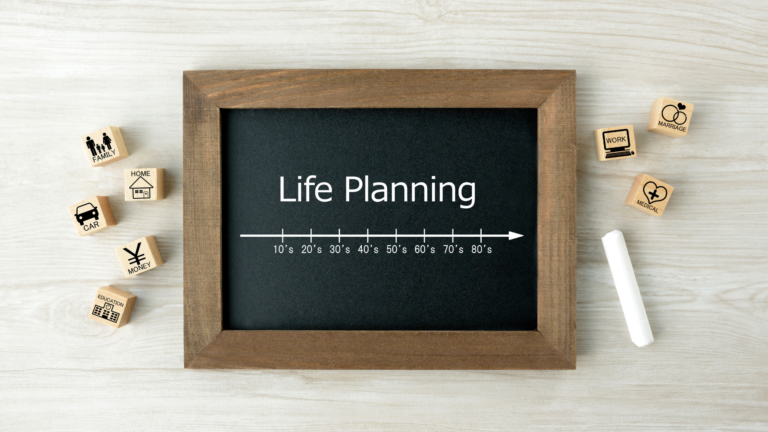

Recent changes to federal estate and gift tax rules have put estate planning and wealth transfer back in focus for many families. Beginning in 2026, the federal estate and gift tax exemption increased to $15 million per individual, creating an opportunity to revisit how assets may eventually pass to the next generation.
Even for families whose estates fall below the federal exemption, this is a valuable reminder that estate planning is about more than taxes. It is about determining how your wealth will support the people and causes that matter to you.
More Than Income Replacement
Life insurance is often associated with replacing income for a family after someone passes away. While that can be an important purpose, its role can change as your financial life evolves.
For individuals who have accumulated significant assets, life insurance may become part of a broader strategy focused on protecting wealth, providing liquidity, supporting loved ones, and accomplishing legacy goals.
Depending on your circumstances, life insurance may help provide funds for final expenses, support a surviving spouse, create an inheritance, provide for charitable goals, or address other financial obligations.
Creating Liquidity for Your Estate
Not every asset can easily be converted into cash.
Real estate, privately held businesses, and other valuable assets may represent a meaningful portion of a family’s wealth. If cash is needed to settle an estate or meet other financial obligations, heirs could otherwise face difficult decisions about when or whether to sell those assets.
Life insurance can provide liquidity that may give beneficiaries greater flexibility when settling an estate.

Supporting Your Legacy
For many families, financial planning eventually shifts from simply accumulating wealth to determining what that wealth will accomplish.
Life insurance may be used to provide an inheritance for children or grandchildren, support a charitable organization, or help balance inheritances when certain assets cannot easily be divided among beneficiaries.
For business owners, it can also play a role in succession planning by helping provide funds to support an orderly transition of ownership.
The important question is not simply how much you leave behind. It is whether your assets are structured to pass according to your wishes.
Your Coverage Should Evolve with You
A life insurance policy that made sense twenty years ago may not necessarily reflect your needs today.
Retirement, changes in your assets, the sale of a business, new grandchildren, changes to your estate plan, or the loss of a spouse can all affect the role life insurance plays in your financial strategy.
This is why existing policies should be reviewed periodically along with beneficiary designations, ownership structure, coverage amounts, and the original purpose of the policy.
Part of the Bigger Financial Picture
Life insurance should not be viewed in isolation. It is one component of a broader financial plan that may also include investments, retirement income, tax planning, estate planning, charitable giving, and wealth transfer.
The goal is not necessarily to have more insurance, but to determine whether the coverage you have serves a clear purpose and supports what you ultimately want your wealth to accomplish.
As tax laws, family circumstances, and financial priorities change, reviewing your life insurance strategy can help ensure it continues to complement the financial plan you have worked years to build.
Planning With Purpose
The recent changes to federal estate tax rules are a reminder that financial planning continues well beyond retirement. Building wealth is one part of the process. Protecting it, using it intentionally, and determining how it will eventually pass to others are equally important.
If it has been several years since you reviewed your life insurance, consider whether your current coverage still reflects your financial circumstances and long-term goals. A thoughtful review can help determine whether your policies continue to serve the purpose for which they were originally designed.
If your family, financial circumstances, or legacy goals have changed, your life insurance strategy may need to change with them. Give us a call if you would like to review your current coverage and make sure it still supports your overall financial plan.
Golf Tip of the Week
Wedge Distances

Lower scores are often decided from 120 yards and in. Many golfers rely on “feel” alone with their wedges, which can lead to inconsistent distances.
Instead, develop a few stock swing lengths. For example, practice hitting your wedges with a half swing and a three-quarter swing, then learn how far each carries. This creates reliable distance gaps without guessing.
A simple range drill is to pick targets at 50, 75, and 100 yards and focus on landing the ball on those numbers, not just near the green.
When you control your wedge distances, you create more birdie opportunities and eliminate costly short-sided misses.
Golf Tip adapted from Golf Digest. Read the full article here: No. 1 skill in wedge play is controlling distance. Here’s how to do it
Recipe Tip of the Week
Blueberry Cream Cheese French Toast Bake

Ingredients
- 1 loaf French bread, cubed
- 1 cup fresh blueberries
- 8 oz cream cheese, cubed
- 6 large eggs
- 1 ½ cups milk
- ½ cup heavy cream
- ½ cup granulated sugar
- 1 tsp vanilla extract
- ½ tsp cinnamon
Instructions
Grease a 9×13 baking dish. Spread half the bread cubes in the dish. Sprinkle with half the blueberries and cream cheese. Repeat layers.
In a bowl, whisk eggs, milk, heavy cream, sugar, vanilla, and cinnamon. Pour evenly over the bread mixture.
Cover and refrigerate at least 2 hours (overnight is ideal).
Bake at 350°F for 45–50 minutes until golden and set.
Serve warm with maple syrup or a dusting of powdered sugar.
Tip of the Week
Letting it soak overnight allows the bread to fully absorb the custard, giving you a soft center with a golden top.
Perfect for brunch gatherings or a make-ahead weekend breakfast.
Recipe adapted from Taste of Home. See full recipe here: Blueberry French Toast Casserole
Travel Tip of the Week
Jackson Hole, Wyoming: Cool Air & Big Sky Views

August is one of the best times to visit Jackson, often referred to as Jackson Hole. Daytime temperatures typically sit in the 70s and low 80s, offering a refreshing break from extreme heat elsewhere.
Located near Grand Teton National Park, the area delivers dramatic mountain scenery without requiring strenuous activity. Scenic drives, wildlife viewing, and lakeside stops make it easy to enjoy the landscape at your own pace.
Downtown Jackson is compact and walkable, with western charm, galleries, and relaxed dining options.
Why It Works So Well in August
- Cooler mountain temperatures
- Long daylight hours
- Stunning alpine scenery
- Easy scenic access without heavy hiking
August in Jackson Hole feels open, expansive, and refreshing — perfect for soaking in big views without big crowds compared to peak July tourism.
Travel tip adapted from Travel + Leisure. Read the full article here: This Wyoming Destination Is Known for Its Access to National Parks, Luxury Lodges, and Iconic Cowboy Bar
Copyright © 2026. BCA Private Wealth. All rights reserved.
Our mailing address is:
BCA Private Wealth
15 Halton Green Way
Greenville, SC 29607
Disclosure:
BCA is a Securities and Exchange Commission registered investment advisor. The advisory services of BCA Private Wealth are not made available in any jurisdiction in which BCA Private Wealth is not registered or is otherwise exempt from registration.
Please review BCA Private Wealth Disclosure Brochure for a complete explanation of fees. Investing involves risks. Investments are not guaranteed and may lose value.
This material is prepared by BCA Private Wealth for informational purposes only. It is not intended to serve as a substitute for personalized investment advice or as a recommendation or solicitation or any particular security, strategy, or investment product.
No representation is being made that any account will or is likely to achieve future profits or losses similar to those shown. You should not assume that investment decisions we make in the future will be profitable or equal the investment performance of the past. Past performance does not indicate future results.
Sources:
IRS: What’s New for Estate and Gift Tax
National Association of Insurance Commissioners: What to Know About Life Insurance Beneficiaries