
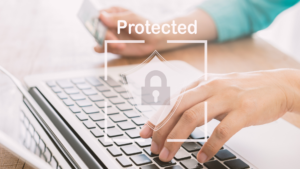
In today’s digital world, protecting your personal and financial information is more important than ever. As technology has made banking, investing, and communication more convenient, it has also created new opportunities for fraud and identity theft.
While financial institutions continue to strengthen security systems, individuals also play an important role in protecting their information. Taking a few proactive steps can significantly reduce the risk of unauthorized activity and help safeguard your financial accounts.
Understanding Identity Theft
Identity theft occurs when someone uses your personal information without permission, often to access financial accounts, open credit lines, or commit other forms of fraud.
According to the Federal Trade Commission, identity theft continues to affect millions of Americans each year, with credit card fraud, loan fraud, and account takeovers among the most commonly reported incidents.
Because identity theft can occur in many ways, awareness and prevention are key.
Common Ways Fraud Occurs
Many fraud attempts rely on deception rather than complex technology. Some of the most common methods include:
- Phishing emails or text messages that appear to come from legitimate companies but attempt to trick individuals into revealing personal information.
- Data breaches that expose personal information stored by companies or organizations.
- Weak or reused passwords that make it easier for unauthorized users to access online accounts.
- Public Wi-Fi networks that can expose sensitive information if security precautions are not taken.
Understanding these risks can help individuals recognize suspicious activity and take steps to protect themselves.
Steps to Protect Your Financial Information
- Protecting your identity often comes down to consistent habits.
- Using strong, unique passwords for financial accounts can make it significantly harder for unauthorized users to gain access. Enabling two-factor authentication adds an additional layer of security by requiring a second form of verification when logging in.
- Regularly reviewing bank and investment account activity can help identify suspicious transactions quickly. Early detection often limits the potential impact of fraud.
- It is also helpful to review credit reports periodically to ensure no unfamiliar accounts or activity appear.
- Finally, being cautious about sharing personal information through unsolicited emails, phone calls, or text messages can prevent many common scams.

Identity Protection Checklist
Consider reviewing these steps to help strengthen the security of your financial accounts:
- Use strong and unique passwords for all financial accounts
• Enable two-factor authentication whenever possible
• Regularly review bank and investment account activity
• Monitor your credit reports for unfamiliar accounts or activity
• Be cautious of unsolicited emails, calls, or messages requesting personal information
Staying Vigilant
Identity protection is not about eliminating risk entirely, but about reducing vulnerabilities and responding quickly if something appears unusual.
By staying informed and taking simple preventive measures, individuals can significantly improve the security of their financial accounts and personal information. If you have any questions, please give us a call!
Golf Tip of the Week
Improving Your Short Game

If you’re looking for the quickest way to lower your score, shift your focus to the short game. While long drives get the attention, most strokes are gained or lost within 100 yards of the green. Improving your chipping, pitching, and putting can have an immediate impact on your overall performance without requiring a major swing overhaul.
Strong short-game players understand distance control and consistency. In putting, that means developing feel for speed to eliminate costly three-putts. Around the greens, it means making clean, controlled contact and choosing simple, high-percentage shots rather than attempting low-percentage hero plays.
Spending even half of your practice time on wedges and putting can dramatically improve scoring. When you trust your ability to get up and down, you play with more confidence throughout the round. The short game may not always be flashy, but it is often the difference between a good round and a frustrating one
Golf Tip adapted from Golf Digest (focus on improving your short game). Read the full article here: Why Your Short Game Is the Key to Lower Scores
Recipe Tip of the Week
Classic Spanish Paella

Ingredients
- 2 tbsp olive oil
- 1 lb chicken thighs, cut into pieces
- 4 oz chorizo, sliced
- 1 small onion, diced
- 3 cloves garlic, minced
- 1 cup arborio or short-grain rice
- ½ tsp saffron threads (soaked in 2 tbsp warm water)
- 1 tsp smoked paprika
- 2 ½ cups chicken broth (warm)
- ½ cup crushed tomatoes
- ½ lb shrimp, peeled
- ½ lb mussels or clams
- ½ cup peas
- Lemon wedges
- Salt and pepper
Instructions
Heat olive oil in a wide, shallow pan. Brown the chicken first, then add chorizo and cook until slightly crisp. Remove and set aside.
In the same pan, sauté onion and garlic until soft. Stir in rice, smoked paprika, and saffron with its liquid. Add tomatoes and warm broth. Spread the rice evenly — and from this point on, do not stir.
Return chicken and chorizo to the pan. Simmer uncovered for about 15 minutes. Add shrimp, mussels, and peas on top. Cook another 8–10 minutes until seafood is done and rice is tender.
Turn heat slightly higher for the last 1–2 minutes to create the prized crispy bottom layer, known as socarrat.
Let rest 5 minutes before serving with fresh lemon.
Paella Tip
The key to authentic paella is restraint — once the broth goes in, avoid stirring. That’s how you get texture, depth, and that golden crust on the bottom.
It’s bold, colorful, and perfect for a weekend gathering!
Recipe adapted from Bon Appétit (traditional seafood paella technique). See full recipe here: Seafood Paella
Travel Tip of the Week
San Diego, California: Sunshine Without the Spring Break Scene

March is one of the most pleasant months to visit San Diego. Temperatures typically sit in the upper 60s to low 70s — warm enough to enjoy the outdoors, but mild enough to explore comfortably without heat fatigue.
San Diego offers an easygoing pace that works especially well for mature travelers. You can stroll through Balboa Park, enjoy waterfront dining along the harbor, take in ocean views at La Jolla Cove, or visit world-class museums without long peak-season lines.
Why It’s Ideal in March
- Comfortable temperatures for walking tours
- Fewer crowds than summer months
- Scenic coastal drives and oceanfront paths
- Excellent dining with easy reservations
It’s the kind of trip that feels refreshing rather than exhausting — sunshine, scenery, and just enough activity to stay engaged without feeling rushed.
Travel tip adapted from Travel + Leisure. Read the full article here: Best Times to Visit San Diego
Copyright © 2026. BCA Private Wealth. All rights reserved.
Our mailing address is:
BCA Private Wealth
15 Halton Green Way
Greenville, SC 29607
Disclosure:
BCA is a Securities and Exchange Commission registered investment advisor. The advisory services of BCA Private Wealth are not made available in any jurisdiction in which BCA Private Wealth is not registered or is otherwise exempt from registration.
Please review BCA Private Wealth Disclosure Brochure for a complete explanation of fees. Investing involves risks. Investments are not guaranteed and may lose value.
This material is prepared by BCA Private Wealth for informational purposes only. It is not intended to serve as a substitute for personalized investment advice or as a recommendation or solicitation or any particular security, strategy, or investment product.
No representation is being made that any account will or is likely to achieve future profits or losses similar to those shown. You should not assume that investment decisions we make in the future will be profitable or equal the investment performance of the past. Past performance does not indicate future results.