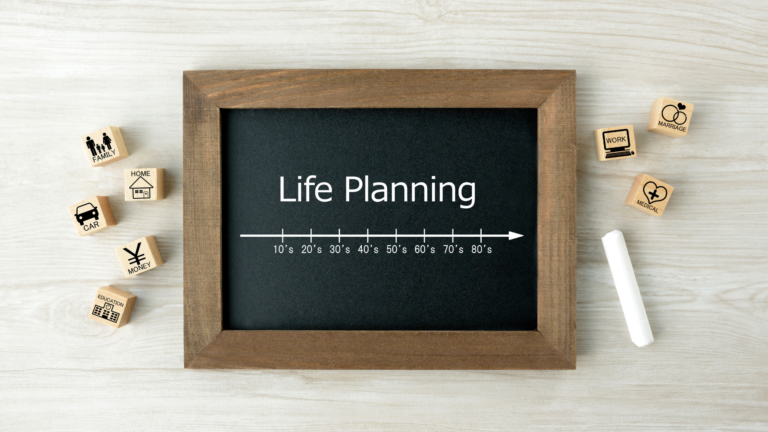

For many people, retirement planning has long focused on one big goal: saving enough. But as retirement approaches or begins, the focus naturally shifts to a different question:
How do I turn what I’ve saved into reliable income that lasts?
That’s where retirement income planning comes in. It’s not just about how much you’ve accumulated—it’s about how thoughtfully that money is positioned, accessed, and protected over time.
From Accumulation to Distribution
During your working years, success is often measured by account balances and contribution rates. In retirement, success looks different. The goal becomes creating steady, sustainable income while managing risks like market volatility, taxes, inflation, and longevity.
Without a clear income strategy, retirees may face:
- Uncertainty around how much they can safely spend
- Fear of market downturns at the wrong time
- Unexpected tax consequences
- Anxiety about outliving their savings
A well-designed income plan replaces guesswork with structure and confidence.
The Role of Timing and Strategy
One of the biggest challenges in retirement is deciding when and where income should come from. Different accounts are taxed differently, and the order in which you draw from them can significantly impact how long your money lasts.
Retirement income planning helps coordinate:
- Social Security timing and spousal strategies
- Withdrawals from taxable, tax-deferred, and tax-free accounts
- Required Minimum Distributions (RMDs)
- Cash reserves for near-term spending
- Long-term growth assets for future needs
When these pieces work together, income feels more predictable and less stressful.
Managing Risk While Creating Income
Retirement doesn’t eliminate market risk—it changes how it affects you. Large market swings can have a greater impact once you’re taking withdrawals, especially early in retirement.
An income-focused strategy is designed to:
- Reduce the need to sell investments at inopportune times
- Match assets to specific time horizons
- Balance growth potential with stability
- Provide flexibility as needs change
- Possibly the largest and silent risk would be the sequencing of return
This approach helps retirees stay invested appropriately while protecting lifestyle needs. The good news is with the use of our Bucket Strategy is designed to help manage these risks and income needs.
Planning for a Long Retirement
People are living longer, healthier lives than ever before. While great news, it also means retirement income may need to last 25, 30, or even 35 years. That makes planning essential.
A sustainable income plan accounts for:
- Inflation and rising living costs
- Healthcare and long-term care considerations
- Lifestyle goals like travel or gifting
- Changes that may come later in retirement
Rather than relying on a fixed withdrawal rule, income planning adapts as life evolves.

Confidence Comes from a Plan
Retirement income planning isn’t about restricting spending—it’s about spending with confidence. When you know where income is coming from and how it fits into a larger strategy, decisions feel clearer and less emotional.
We believe the most effective retirement plans are intentional, coordinated, and flexibly built around your goals, not just your accounts. Our Bucket Strategy has been designed to manage these goals.
If you have any questions, please give us a call or you can always find more information in our book, Wealth on Purpose. Have a great weekend!
Golf Tip of the Week
Playing Smarter Golf

Golf is a game that can truly last a lifetime, but as we get older, our bodies and playing styles naturally change. In CaddieWheel’s guide for senior golfers, the focus is on making smart adjustments that help players stay consistent, comfortable, and confident on the course.
One of the biggest takeaways is that seniors don’t need to rely on strength to play well. Instead, a smoother, more controlled swing can often produce better results. Shortening the backswing slightly and emphasizing balance helps reduce strain on joints while improving accuracy.
The article also stresses the importance of flexibility and mobility. Regular stretching, gentle warm-ups, and staying active off the course can help maintain range of motion, making it easier to swing freely and avoid injury.
Another key point is that equipment matters. Clubs with lighter shafts, more forgiving designs, or senior-flex options can help golfers generate distance without overexertion. Many seniors also benefit from using golf balls designed for slower swing speeds, which can improve feel and launch.
Practicing with intention is another smart strategy. Instead of spending all your time hitting drivers at the range, seniors can see major improvement by focusing on short game skills like chipping, putting, and approach shots — areas where strokes can be saved quickly.
Finally, the article encourages older golfers to embrace course management and a positive mindset. Playing smarter means choosing the right shots, avoiding unnecessary risks, and enjoying the experience rather than chasing unrealistic expectations. With the right approach, seniors can continue playing strong golf well into the future.
Article adapted from Caddie Wheel. Read full article here: 8 Actionable Tips for Senior Golfers to Play Smarter in 2025.
Recipe Tip of the Week
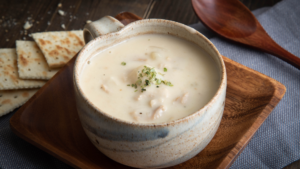
Classic New England Clam Chowder
Ingredients
- 7 pounds cherrystone clams, scrubbed and rinsed (or substitute canned/frozen clams)
- 3 cups water
- 4 strips bacon, finely chopped
- 1 medium Spanish onion, diced
- 2 tablespoons all-purpose flour
- 3 large red potatoes, cut into ½-inch cubes
- 1 teaspoon chopped fresh thyme
- 2 tablespoons chopped fresh parsley
- 1 cup heavy cream
- Salt and pepper, to taste
Instructions
- Cook the clams: In a large pot, combine clams and water. Bring to a boil over high heat until clams open (about 10 min). Remove clams, strain the broth through a fine sieve, and set aside. Discard any clams that don’t open.
- Sauté aromatics: In a clean large pot, sauté bacon over medium-high heat until browned and fat is rendered. Remove most of the bacon and leave a bit of fat. Add onions and cook until translucent.
- Build the chowder base: Sprinkle flour over the onion and cook briefly, then whisk in the reserved clam broth. Add potatoes and thyme; simmer until potatoes are tender (about 10 min).
- Finish: Remove clams from shells and chop roughly. Add clams and their juices back into the pot. Stir in parsley, cream, and the reserved bacon. Heat through (about 3 min) without boiling. Season with salt and pepper.
- Serve: Ladle into bowls and enjoy warm — oyster crackers on top are traditional!
Adapted from Yankee Magazine. Read full recipe here: Classic New England Clam Chowder
Travel Tip of the Week
Staying Healthy While Traveling

Traveling later in life can be incredibly rewarding, but staying healthy on the road requires a little extra planning. According to Travel + Leisure, being proactive about hydration, hygiene, nutrition, and rest can help seniors feel their best while exploring new places.
One of the most important habits for healthy travel is staying well hydrated. Airplane cabins, long drives, and busy sightseeing days can all contribute to dehydration, which may cause fatigue, headaches, or dizziness. Carrying a reusable water bottle and sipping throughout the day helps support energy levels and overall wellness.
Good hygiene habits also play a major role in staying healthy while traveling. Airports, airplanes, and public attractions are high-traffic areas where germs can spread easily. Packing hand sanitizer, disinfectant wipes, and tissues allows you to clean hands and surfaces before meals or after contact with shared spaces. These small habits can significantly reduce your risk of getting sick.
Nutrition and rest are equally important. Choosing balanced meals with fruits, vegetables, and protein helps maintain strength and immune function. Seniors should also pace themselves and prioritize regular rest, especially when adjusting to new time zones or busy itineraries. Getting enough sleep gives the body time to recover and keeps travel enjoyable instead of exhausting.
Finally, packing a few health-supporting travel essentials can make a big difference. Items like throat lozenges, immune-support supplements (if recommended by your doctor), and a small first-aid kit can help manage minor issues before they become bigger problems. Being prepared allows seniors to travel with confidence and peace of mind.
With thoughtful planning and simple daily habits, seniors can focus less on worrying about their health and more on enjoying the journey.
Article adapted from Travel + Leisure. Read full article here: 4 Items You Need in Your Carry-on to Prevent Getting Sick During Holiday Travel.
Copyright © 2026. BCA Private Wealth. All rights reserved.
Our mailing address is:
BCA Private Wealth
15 Halton Green Way
Greenville, SC 29607
Disclosure:
BCA is a Securities and Exchange Commission registered investment advisor. The advisory services of BCA Private Wealth are not made available in any jurisdiction in which BCA Private Wealth is not registered or is otherwise exempt from registration.
Please review BCA Private Wealth Disclosure Brochure for a complete explanation of fees. Investing involves risks. Investments are not guaranteed and may lose value.
This material is prepared by BCA Private Wealth for informational purposes only. It is not intended to serve as a substitute for personalized investment advice or as a recommendation or solicitation or any particular security, strategy, or investment product.
No representation is being made that any account will or is likely to achieve future profits or losses similar to those shown. You should not assume that investment decisions we make in the future will be profitable or equal the investment performance of the past. Past performance does not indicate future results.